Analytical Green Star Area for Sample Preparation (AGSA-Prep) as a Comprehensive and Practice-Oriented Metric
Sample preparation is a critical, yet often environmentally burdensome, step in analytical chemistry. While Green Sample Preparation principles aim to mitigate this impact, existing assessment tools such as AGREEprep offer room for improvement in the assessment process. In particular, parameters such as material reusability, operator safety, and analytical performance constraints are not comprehensively considered, often resulting in lower scores for potentially green methods. This article presents AGSA-Prep (Analytical Green Star Area for Sample Preparation) as a new metric designed to provide a more comprehensive, balanced, and contextualized assessment of sample preparation greenness, seeking to supplement and update valid and currently accepted assessment tools. Building on the AGSA framework, AGSA-Prep incorporates additional assessment parameters, including reusability, waste management, energy consumption, automation, and operator protection based on personal protective equipment requirements. By simplifying complex scoring equations through categorical scoring systems, AGSA-Prep improves accessibility for routine use. This paper details the development of AGSA-Prep and critically compares its criteria with those of AGREE prep, demonstrating how AGSA-Prep offers a comprehensive assessment, thus guiding the development of greener, safer, and more efficient laboratory practices. The software is available for end-users at bit.ly/AGSA-Prep.
1 - July - 2026
analytical science advances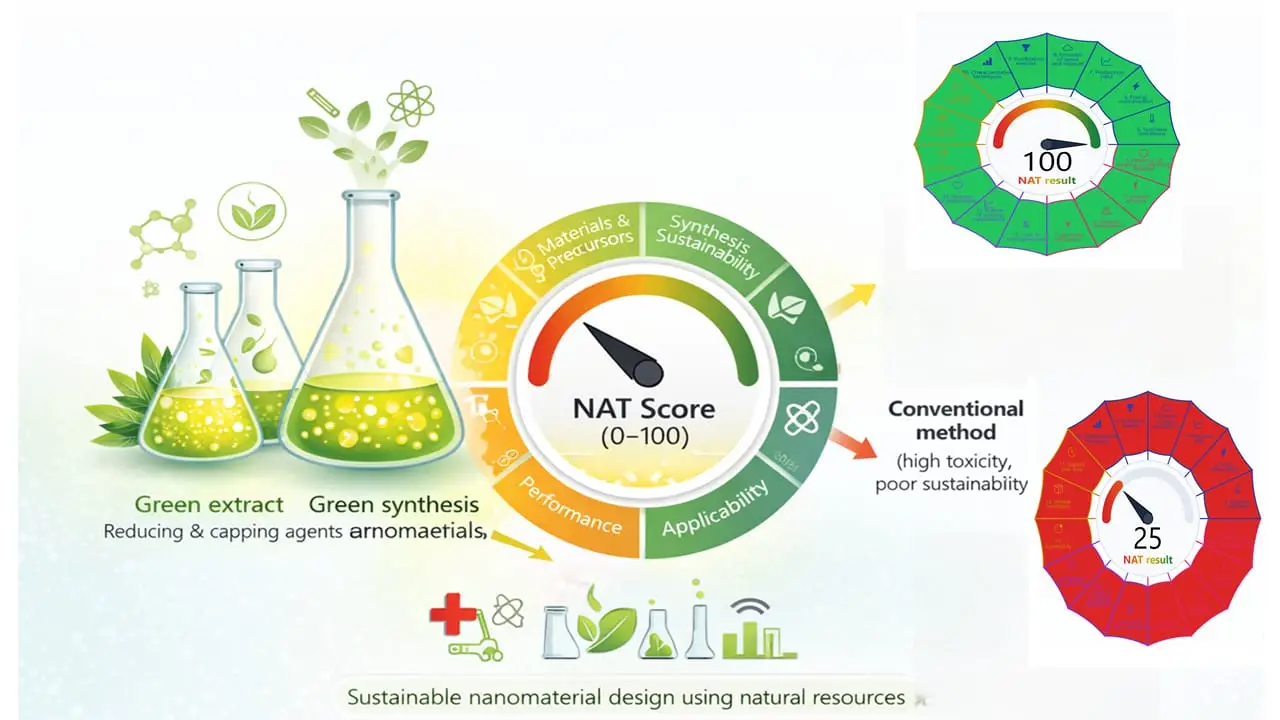
Nanomaterials Assessment Tool (NAT): A novel open-access framework for performance and sustainability evaluation
Abstract Nanotechnology is the field of science that has achieved remarkable advances over the past few decades, enabling significant developments in biomedical, chemical, and environmental applications. The rapid expansion of nanomaterial research has led to the synthesis of a wide variety of nanoparticles and nanostructured materials with exceptional functional properties. However, alongside performance optimization, increasing attention is being directed toward the sustainability, environmental impact, and greenness of nanomaterial synthesis routes. Despite this growing concern, a standardized and user-friendly tool for simultaneously evaluating nanomaterial performance and green synthesis conditions is still lacking. In this work, we introduce the Nanomaterials Assessment Tool (NAT), a novel, open-access software, available at https://nattool.az3093.info/NanoTool, It is designed to systematically assess nanomaterials based on both their functional performance and the extent of greenness in their synthesis processes. NAT evaluates four main aspects: the nature of materials and reagents used, the sustainability of synthesis conditions, the properties of the synthesized nanomaterial, and its applicability. The tool consists of sixteen carefully designed evaluation questions with a quantitative scoring system with a maximum total score of 100 supported by visual illustrations. By providing a standardized assessment framework, NAT aims to encourage researchers to adopt green precursors, optimize eco-friendly synthesis strategies, and minimize environmental impact without compromising material performance. The tool is applicable to a wide range of nanomaterials, including metallic nanoparticles, carbon-based nanomaterials, nanozymes, metal–organic frameworks, and nanocomposites.
17 - May - 2026
Green Analytical Chemistry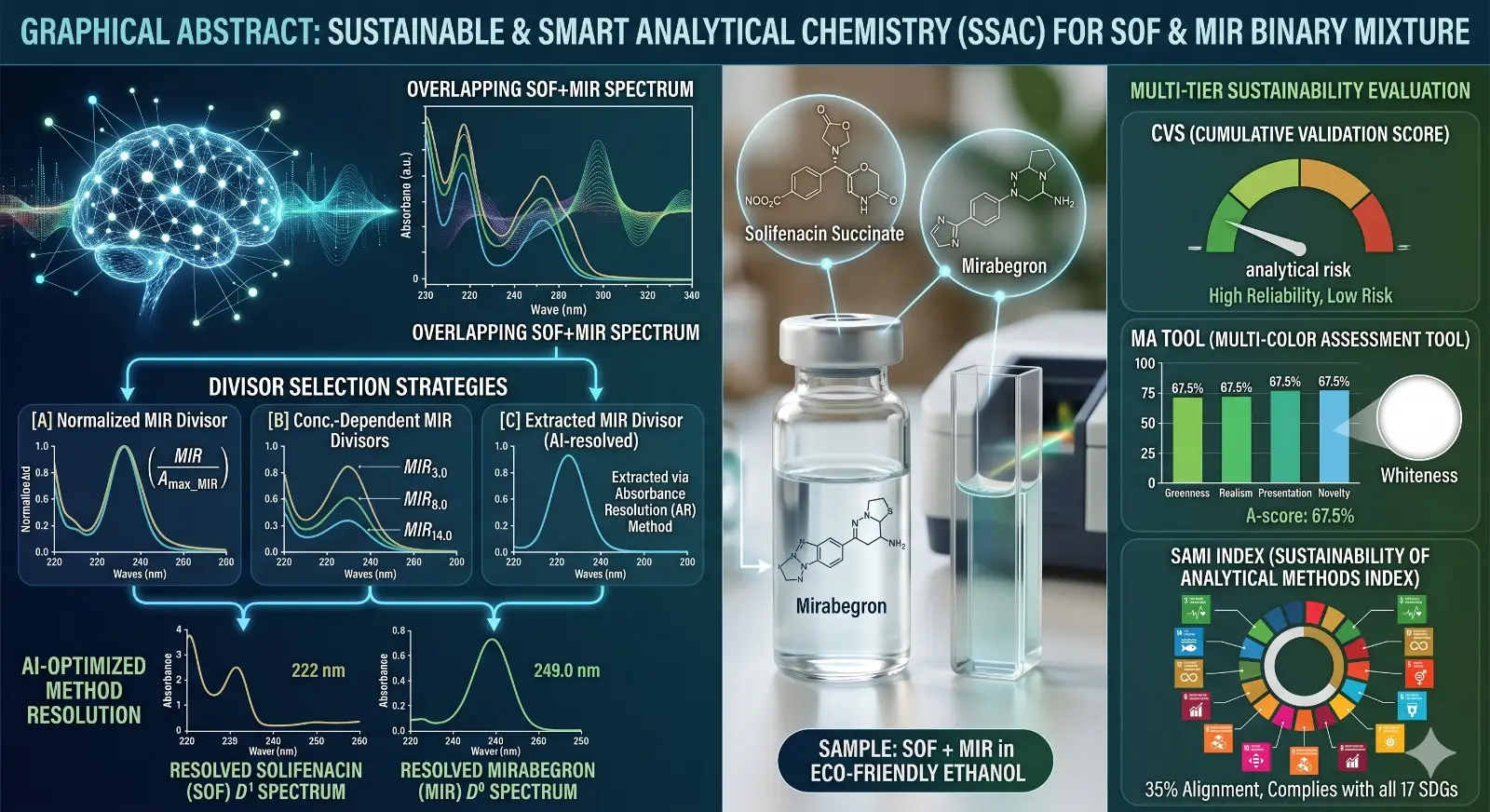
Integrating Artificial intelligence within sustainable smart analytical chemistry for analyzing the divisor impact on UV-spectrophotometric efficiency of solifenacin and mirabegron combination
This study examines the influence of divisor selection on the efficacy of advanced analytical spectrophotometric methods that integrate artificial intelligence (AI), green-chemistry principles, and white-analytical-chemistry (WAC) frameworks for pharmaceutical investigation. Advanced analytical chemistry, which combines environmental sustainability, analytical practice and computational cleverness, was employed to create innovative spectrophotometric techniques for the concurrent quantification of solifenacin succinate (SOF), and mirabegron (MIR), both utilized in the treatment of overactive bladder. Three divisor approaches were evaluated within complementary smart resolution strategies based on high impact amplitude manipulation method (HIAM) using normalized divisor of MIR, concentration-dependent divisor of MIR at 3.0, 8.0, and 14.0 µg/mL, as well as extracted zero order spectra of MIR obtained by absorbance resolution method (AR). Linearity for SOF was observed from 2.5 to 25.0 µg/mL using first derivative D1at 222 nm, while MIR exhibited linearity from 1.5 to 15.0 µg/mL at its maxima 249.0 nm. To assess the robustness and risk, cumulative validation score; CVS, was calculated, serving as instrumental sign for evaluating analytical reliability and method performance. We introduce Sustainable & Smart Analytical Chemistry (SSAC), conjoining Green Analytical Chemistry (GAC), WAC, and AI to develop analytical methods that are efficient, environmentally responsible, and consistent with the multiple Sustainable Development Goals; SDGs. The Sustainability of Analytical Methods Index (SAMI) was applied to evaluate the method’s holistic alignment with the 17 SDGs. Using the Multi-Color Assessment Tool (MA), the method’s greenness, realism, presentation, and novelty were evaluated, demonstrating its sustainability and global impact.
1 - May - 2026
Scientific Reports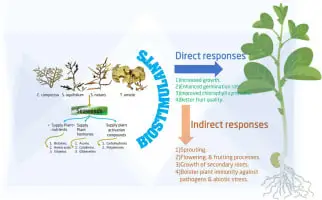
Sustainable harnessing of Red Sea brown seaweed extracts as plant growth promoters: Analytical profiling and application to faba bean
Seaweed liquid extracts (SLEs) are progressively recognized as sustainable biostimulants that enhance plant growth and stress resilience. This investigation evaluated the effects of SLEs derived from four seaweed species Cystoseira compressa, Sargassum aquifolium, Sargassum natans, and Turbinaria ornate on the seedling performance of Vicia faba L. Seedlings received weekly soaking applications of the extracts, which were chemically characterized for macro- and micronutrients, minerals, phenolics, and plant growth regulators. All SLE treatments significantly improved root development, esterase activity, and soluble sugar accumulation compared with controls (p ≤ 0.05). The extract of C. compressa, enriched in indole-3-acetic acid (IAA; 15 nM), displayed the strongest effect on root morphological traits. Extracts from S. aquifolium and S. natans, characterized by higher phenolic content, conspicuously enhanced plant nutritional status and the productivity of the plant, whereas T. ornata primarily stimulated root elongation without marked effects on nutrition. A clear relationship was perceived between extract composition and physiological response. These conclusions demonstrate the potential of seaweed based biostimulants to improve crop productivity through natural, resource-efficient inputs, contributing to sustainable agriculture and supporting the United Nations Sustainable Development Goals (SDGs). The valorization of marine biomass for agricultural use also reinforces blue economy strategies, particularly in the Red Sea region
1 - May - 2026
sciencedirect Journals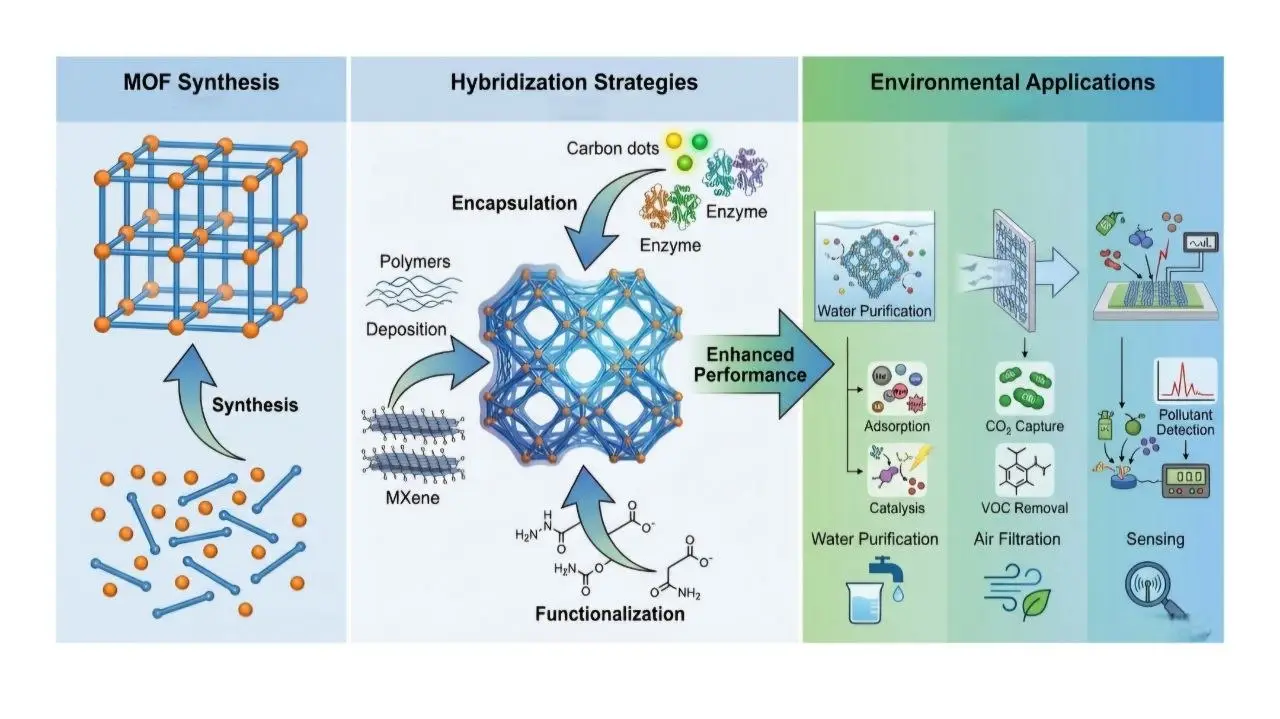
Hybrid Modification Strategies of Metal–Organic Frameworks: A Comprehensive Review on Structural Design and Environmental Applications
Metal–Organic Frameworks (MOFs) are a class of crystalline porous materials with unique properties, including high surface area, tunable pore sizes, and versatile chemical functionalities. These features position MOFs as essential tools in catalysis, separation, sensing, and environmental remediation, highlighting their significance in modern chemistry and practical applications. Methods: This review addresses hybrid modification strategies for MOFs, which involve integrating MOFs with secondary components such as polymers, nanoparticles, and complementary organic ligands. It further examines various synthesis methodologies, structural characterization techniques, and design strategies for crystal frameworks to control pore structures and chemical functionalities, thereby enhancing functional performance. Results: Recent studies demonstrate that hybrid MOFs exhibit improved pollutant removal efficiency, enhanced chemical sensing capabilities, and increased structural stability under diverse conditions. Precise control over pore structures and chemical functionalities has been shown to optimize hybrid performance in both environmental and industrial applications. Future Perspectives: The findings suggest that artificial intelligence (AI) and machine learning (ML) can accelerate the design, synthesis, and optimization of hybrid MOFs. Moreover, adopting green synthesis approaches using renewable resources and bio-waste represents a critical step toward developing environmentally sustainable and high-performance hybrid frameworks.
30 - April - 2026
Chemistry – A European Journal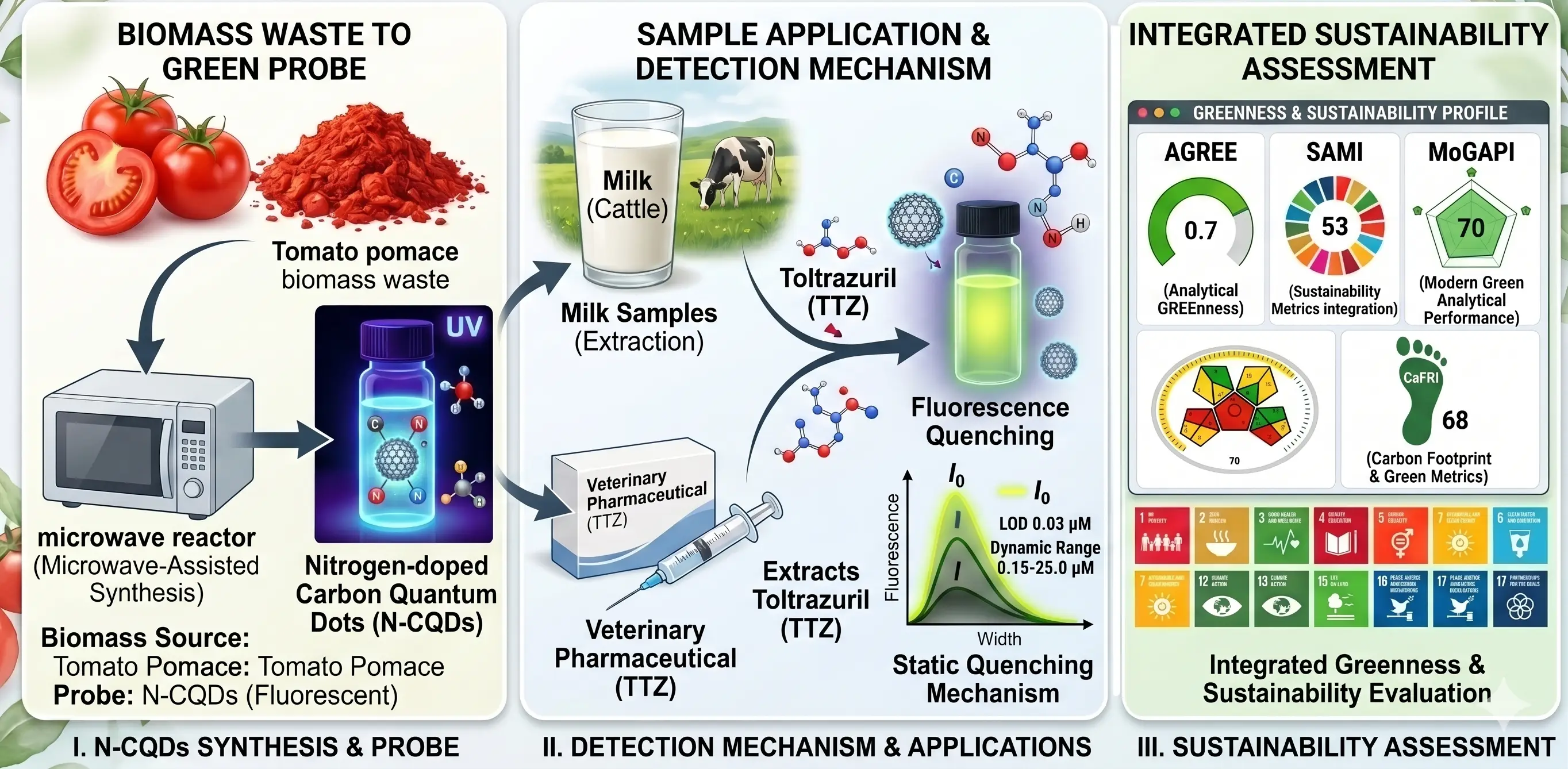
Utilization of Tomato Waste Biomass as a Fluorescent Sensor for Quantification and Residual Determination of Toltrazuril in Veterinary Drugs and Milk Samples
This study focuses on developing an analytical method for the determination of toltrazuril (TTZ), an antiparasitic drug widely used in veterinary medicine, particularly for protecting poultry and livestock from protozoal infections in hot and humid environmental conditions. Methodology: A fluorescent probe based on nitrogen-doped carbon quantum dots (N-CQDs) was prepared. These nanodots were synthesized using a domestic microwave-assisted method, utilizing tomato waste residues as a sustainable and low-cost biomass source. The prepared N-CQDs were applied for the first time as a fluorescent sensor for detecting TTZ in pharmaceutical formulations and milk samples. Key Results: 1. Detection mechanism: The method is based on static fluorescence quenching and demonstrated high sensitivity with a limit of detection (LOD) of 0.03 μM, within a linear range of 0.15 to 25.0 μM. 2. Practical application: The results confirmed the probe’s efficiency in monitoring food safety of animal origin and ensuring the absence of drug residues. 3. Extraction: A standardized and efficient extraction protocol was developed for isolating TTZ from cow milk samples to ensure measurement accuracy. Sustainability assessment: The proposed method was evaluated using modern green chemistry metrics such as AGREE and MoGAPI, as well as carbon footprint indicators including CaFRI, EPPI, and SAMI. The assessment confirmed that the method is not only efficient but also highly sustainable and environmentally friendly.
18 - April - 2026
BMC CHEMISTRY
Coupling MgSO4-assisted SALLE with a fluorimetric turn-off strategy for the determination of cinacalcet HCl in pharmaceutical and human matrices
An innovative, sustainable analytical approach was developed by coupling an Epsom salt, E518 (magnesium sulfate)–facilitated salting-out assisted liquid–liquid extraction (SALLE) system with a safe molecular fluorescent probe, Celfia Pink B (CPB), employing a fluorescence turn-off sensing strategy. MgSO₄ acts as a green salting-out agent, enhancing phase separation efficiency and producing cleaner extracts with higher analyte recovery. CPB, a safe, food-grade dye, serves as a selective fluorogenic probe whose emission at 553 nm is quenched upon electrostatic ion-pair complex formation with Cinacalcet HCl under mildly acidic conditions. The method exhibited excellent linearity (0.08–1.3 µg/mL) with high sensitivity (LOD = 0.024 µg/mL; LOQ = 0.075 µg/mL). Validation according to ICH guidelines demonstrated robustness, precision, and accuracy across pharmaceutical formulations and biological matrices. Sustainability assessment using the WAC framework categorized the platform as “white,” highlighting low environmental impact, safe operation, and simplicity. By minimizing organic solvent use and eliminating hazardous reagents, this MgSO₄-assisted SALLE/fluorescence turn-off approach provides a green, highly sensitive, and versatile tool for trace-level determination of Cinacalcet HCl in pharmaceutical and biological matrices.
17 - March - 2026
Scientific Reports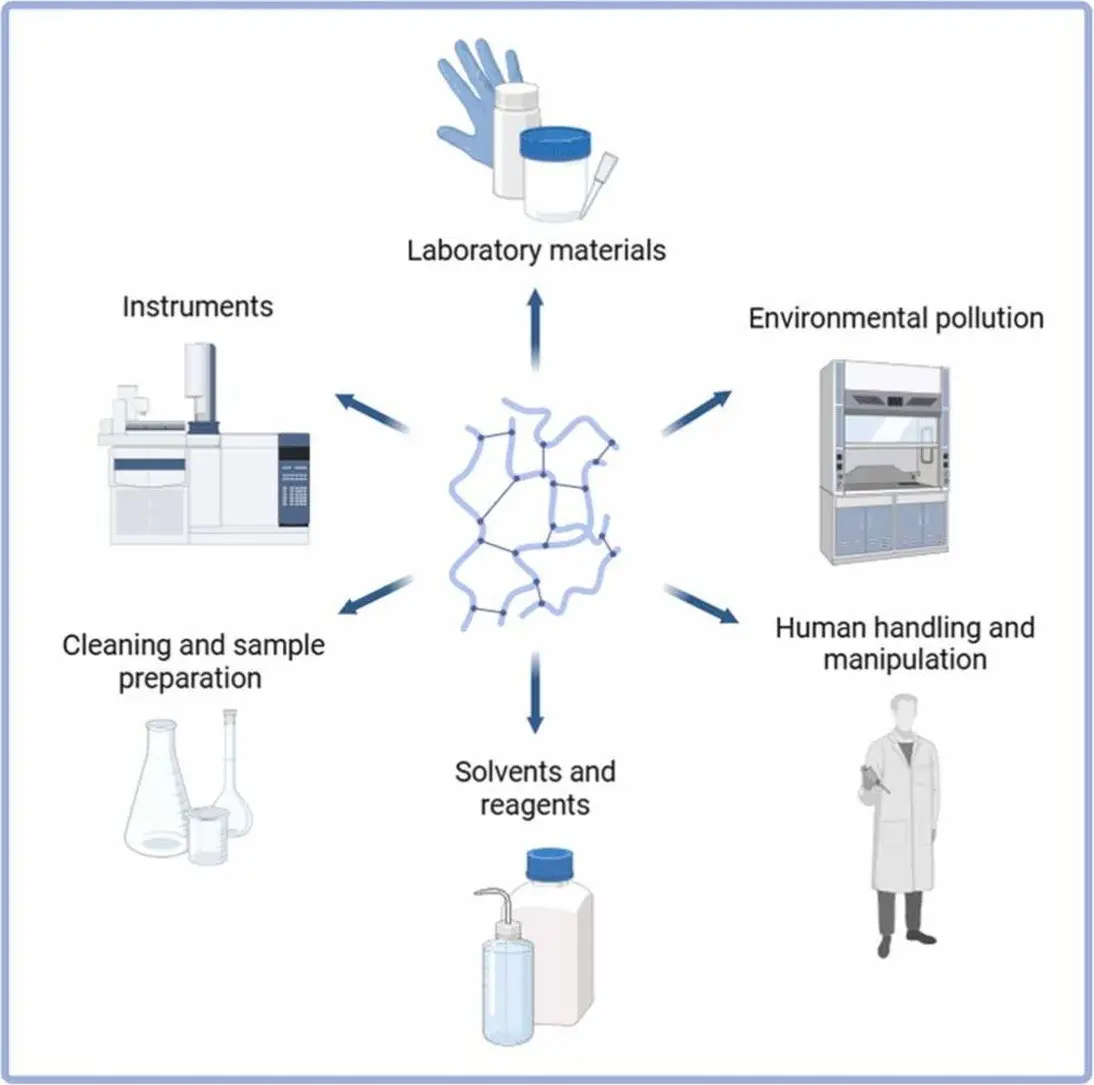
Cross-contamination pathways in the analysis of plastics and related chemical compounds: Good laboratory practices and tips
The analysis of plastics and related compounds at trace levels is highly susceptible to contamination because many target analytes are ubiquitous in laboratory environments. This work identifies six main contamination pathways: laboratory materials, environmental sources, human handling, solvents and reagents, cleaning and sample preparation, and instrumental systems. For each pathway, preventive strategies and good laboratory practices are proposed based on experimental experience and literature examples. The use of procedural blanks and early consideration of contamination risks during experimental design are strongly recommended. Overall, this study provides a structured framework to improve data reliability, reproducibility, and transparency in plastic-related contaminant analysis.
16 - March - 2026
sciencedirect Journals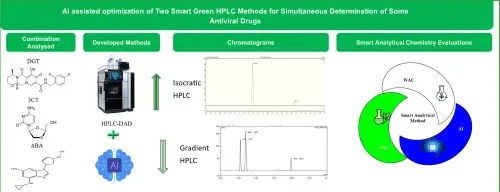
AI-assisted design and optimization of two smart green HPLC methods for simultaneous determination of some antiviral drugs
Two novel high-performance liquid chromatography (HPLC) methods were developed and validated for the determination of dolutegravir (DTG), lamivudine (3TC), and abacavir (ABA) in pharmaceutical formulations. In this study, AI engines such as Copilot, ChatGPT 5.2, Gemini, and Perplexity were integrated into HPLC method development. The selected predicted conditions underwent experimental optimization, validation, and refinement. Their practical implementation significantly improved efficiency and accuracy in the analytical process. The first method, an isocratic HPLC, was designed for the simultaneous quantification of DTG and 3TC using an XBridge® C18 column and a mobile phase of acetonitrile:phosphate buffer (pH 3.5, 50:50 v/v). Detection was performed at 258.0 nm for DTG and 275.0 nm for 3TC. The second method, a gradient HPLC, enabled the simultaneous quantification of DTG, 3TC, and ABA on a Spherisorb® ODS2 C18 column with methanol and TEA/TFA buffer (pH 3.15) as the mobile phase. Detection wavelengths were 258.0, 278.0, and 294.0 nm for DTG, 3TC, and ABA, respectively. The calibration ranges were wide and showed excellent linearity. Both techniques were validated in accordance with ICH Q2(R2) guidelines. The approaches align with smart analytical chemistry principles, combining green and white analytical chemistry (GAC and WAC) with AI-driven method development, resulting in accurate, fast, and sustainable techniques suitable for routine quality control applications.
16 - March - 2026
Green Analytical Chemistry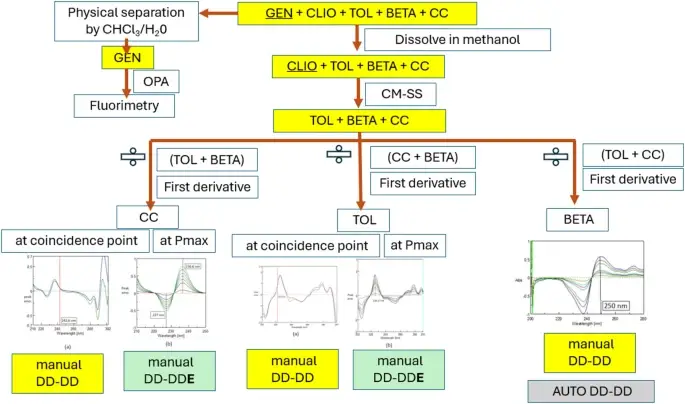
Artificial intelligence versus traditional approaches in multicomponent spectral analysis
This study explores the use of AI-assisted data handlingin spectrophotometric method development, providing a flexible and globally accessible alternative to traditional manual software algorithms.Quadriderm cream combines four active ingredients: Clioquinol (CLIO), Betamethasone (BETA), Tolnaftate (TOL), and Gentamicin (GEN) with the preservative Chlorocresol (CC). Building on our previous research on complex pharmaceutical mixtures with challenging ratios, this study applied established protocols for CLIO and GEN while focusing on the more analytically demanding ternary subsystem (TOL, BETA, and CC).The integration of AI-enhanced spectral handling and interpretation reduces operator-dependent variability and streamlines the analytical workflow. This includes generating calibration graphs and regression equations, as well as effectively handling scanned spectral data via consecutive prompts. Validation data such as accuracy and precision are assessed to ensure reliability. Furthermore, the system enables intelligent, simultaneous analysis of laboratory mixtures and pharmaceutical formulations, enhancing both efficiency and accuracy. The AI strategy, trained on spectral data supplied and monitored by the expertiseanalyst, can automatically predict optimal wavelengths with minimal interference, while manual handling strategy rely on analyst-driven selection. Two novel approaches were developed: the factorized derivative ratio extraction using double divisor (MAN-[DD- DDE])via Spectra Manager® software and the automated double divisor derivative ratio (AUTO-[DD-DD]) via AI tools and for resolving ternary mixtures with severely overlapping UV spectra and comparing the results with those of(MAN-[DD- DD])at coincidence points. Linear working ranges were 0.5–5.0 µg/mL (TOL), 3.0–30.0 µg/mL (BETA), and 2.0–20.0 µg/mL (CC); LODs were 0.09, 0.09, and 0.26 µg/mL, respectively. AI-driven data processing strategy matched the accuracy and reproducibility of traditional strategy manipulation while reducing subjective steps and effort. Finally, the UV-spectrophotometric method for pharmaceutical cream analysis was evaluated using the MA Tool (2025) to assess sustainability across green, white, and AI-driven criteria. AI-assisted scoring via Microsoft Copilot enabled rapid, reproducible assessment, yielding a Whiteness Score of 60.9% and providing actionable recommendations for greener and more efficient workflows
1 - March - 2026
Scientific Reports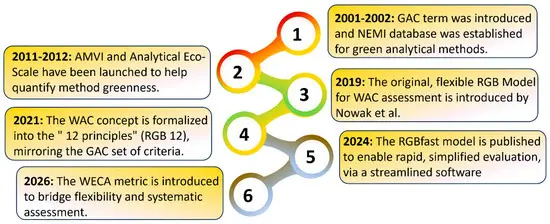
Whiteness Evaluation for Chemical Analysis (WECA) as a Flexible Tool and Web-Based Software for Whiteness Assessment in Analytical Chemistry
Two novel high-performance liquid chromatography (HPLC) methods were developed and validated for the determination of dolutegravir (DTG), lamivudine (3TC), and abacavir (ABA) in pharmaceutical formulations. In this study, AI engines such as Copilot, ChatGPT 5.2, Gemini, and Perplexity were integrated into HPLC method development. The selected predicted conditions underwent experimental optimization, validation, and refinement. Their practical implementation significantly improved efficiency and accuracy in the analytical process. The first method, an isocratic HPLC, was designed for the simultaneous quantification of DTG and 3TC using an XBridge® C18 column and a mobile phase of acetonitrile:phosphate buffer (pH 3.5, 50:50 v/v). Detection was performed at 258.0 nm for DTG and 275.0 nm for 3TC. The second method, a gradient HPLC, enabled the simultaneous quantification of DTG, 3TC, and ABA on a Spherisorb® ODS2 C18 column with methanol and TEA/TFA buffer (pH 3.15) as the mobile phase. Detection wavelengths were 258.0, 278.0, and 294.0 nm for DTG, 3TC, and ABA, respectively. The calibration ranges were wide and showed excellent linearity. Both techniques were validated in accordance with ICH Q2(R2) guidelines. The approaches align with smart analytical chemistry principles, combining green and white analytical chemistry (GAC and WAC) with AI-driven method development, resulting in accurate, fast, and sustainable techniques suitable for routine quality control applications.
27 - February - 2026
Analytica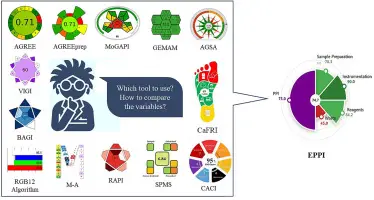
Systematic review of recent metrics (2020–2025) for greenness, applicability, and analytical performance with guidelines for practical use
In recent years, the demand for eco-friendly analytical methods with practical applicability and high analytical performance has driven the development of numerous evaluation metrics. This trend aligns with the principles of White Analytical Chemistry (WAC), which expands the scope of analytical science by integrating not only environmental friendliness and safety (green) but also analytical efficiency (red) and practical, economic aspects (blue). Over the last five years, several emerging tools have been introduced, offering more structured and systematic approaches for assessing analytical methods. This review classifies these tools into four main categories: (a) green tools, (b) blue tools, (c) red tools, and (d) multidimensional tools. The first parameter, such as reagent toxicity, solvent consumption, and waste generation, was identified as a key greenness indicator, representing the environmental component of broader analytical sustainability. The second addresses applicability, evaluating cost-effectiveness, time efficiency, and other practical aspects; the third concentrates on analytical performance, covering parameters essential for method validation. The fourth category integrates these aspects into comprehensive frameworks, enabling a balanced assessment across sustainability, applicability, and performance. This review critically compares these tools, outlining their merits and limitations. It also presents practical strategies to improve the greenness of conventional analytical methods. It proposes a novel set of standardized guidelines to ensure the transparent and non-manipulative application of sustainability metrics, addressing a critical gap in current practice. Additionally, our work discusses future directions toward comprehensive, objective, and universally adoptable assessment systems that can guide the next generation of sustainable analytical practices.
20 - February - 2026
Results in ChemistryDental and Oral Diseases in Al-Hawi FI T-Tadãwi of Najm ad-Dyn Al Shirazi (died 730 H/1330 AD)
This research studies oral and dental diseases in Najm al-Din Al-Shirazi's (d. 730 AH) book Al-Hawi FI T-Tadãwi by analyzing and verifying the manuscript's texts. The study employed a historical-analytical methodology, comparing the content with modern medical knowledge and with Ibn al-Nafis's "Mujaz al-Qanun". The findings indicate that Al-Shirazi provided an encyclopedic description of plant-based and compound remedies and treatments. However, his description of symptoms and diagnosis was less precise compared to Ibn al-Nafis. The research also highlighted Al-Shirazi's rare citations of his sources and the inaccuracy of some dental and oral medical information. In conclusion, while the book is an important reference in the history of pharmacy, its shortcomings in medical description and diagnosis render it an unreliable reference for traditional dentistry.
10 - February - 2026
Aleppo Researches Magazine: History of Medical Sciences Series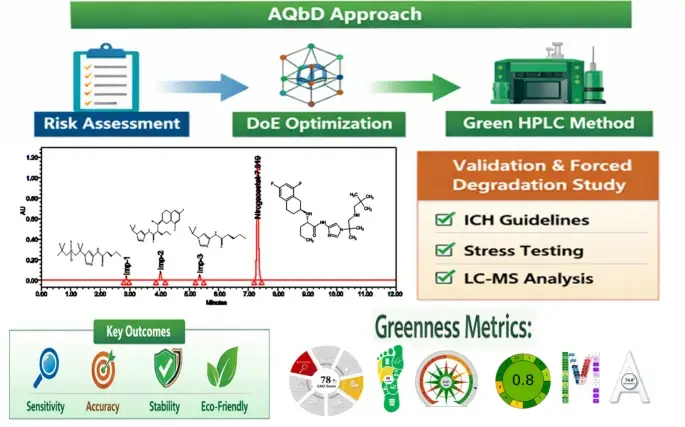
AQbD-driven development of a green RP-HPLC method for nirogacestat with LC–MS structural elucidation
Nirogacestat (NGT), a recently approved γ-secretase inhibitor for desmoid tumors, requires sensitive and sustainable analytical methods for impurity profiling. This study aimed to develop a green, stability-indicating HPLC method using an Analytical Quality by Design (AQbD) approach. Critical method parameters, including ethanol percentage, ammonium formate buffer concentration, and flow rate, were optimized through risk assessment and a central composite design to establish a robust design space. The final method employed an ethanol–ammonium formate mobile phase (24.14:75.86 v/v, 0.295 mM, pH 3.2) at 1.0 mL/min, achieving baseline separation of NGT, its process impurities, and degradation products with high efficiency (~ 15,900 plates) and symmetry (tailing factor ≤ 1.1). Validation following ICH Q2(R2) confirmed specificity, linearity (R2 > 0.999), accuracy (99.4–101.2% recovery), precision (%RSD ≤ 1.8%), and robustness. Sensitivity was demonstrated with LOD/LOQ values of 11.58/35.10 ppm for NGT and ≤ 0.52/1.58 ppm for impurities. Forced-degradation studies showed 3–14% degradation across stress conditions with mass balance between 95–105%, and peak-purity confirmed the stability-indicating capability. The method’s greenness was demonstrated using AGREE, AGSA, CACI, CaFRI, and a multi-assessment tool, with an overall whiteness index of 74%. Overall, this ethanol-based AQbD-optimized method offers a reliable, sustainable, and regulatory-compliant platform for impurity profiling and stability testing of NGT.
10 - February - 2026
BMC chemistry journalTongue and Mouth Diseases in Sharh al-Asbāb wa-l-ʿalāmāt of Nafis Ibn Awad Al-Karmani
This research presents an analytical study of the book Sharh al-Asbab wa-l-‘Alamat by Nafis bin ‘Awad al-Karmani, focusing on diseases of the tongue and mouth. It highlights the medical methodology adopted by al-Karmani in his commentary on al-Samarqandi’s Asbab wa ‘Alamat, comparing both texts to clarify the additions and interpretations introduced by al-Karmani. The study is based on the manuscript preserved at the King Faisal Institute Library, that includes the section related to tongue and mouth diseases, followed by a scientific comparison with the original text. Al-Karmani demonstrates advanced diagnostic and therapeutic precision, as evidenced by his detailed descriptions of surgical techniques. The research emphasizes the significance of medical commentaries in Islamic heritage and their role in the development of medical knowledge. It also underscores al-Karmani’s status as a skilled physician and educational author, reflecting the evolution of Arab medical thought through accumulated experience and experimentation.
1 - February - 2026
Aleppo Researches Magazine: History of Medical Sciences SeriesA comparative analytical study of the effectiveness of psyllium seeds in treating digestive diseases, both in the past and present
Traditional medicine has occupied a pivotal place in history of medical practice, a result of accumulated therapeutic experiences gained over centuries through clinical observations and practical applications. Psyllium is a prime example of this continuity of knowledge. It was mentioned in the texts of ancient civilizations and later in the classical Arabic medical literature by renowned physicians as a soothing and laxative treatment that regulates stool consistency and relieves digestive irritation. This research aims to identify the therapeutic potential of psyllium seeds for digestive diseases and their possible use as an effective traditional medicine. A comparative historical-retrospective approach was employed, investigating the indications of psyllium seeds in treating various digestive ailments, starting with major ancient civilizations, continuing through Arab civilization and compound medicines books (pharmacopoeia), and concluding with a review of modern medical reference studies. This research yielded several findings, most notably that Arab physicians discovered new uses for psyllium seeds that were unknown in previous civilizations. This was a result of their empirical medical practice, and some of the medicinal properties of psyllium seeds are still used today to treat digestive ailments. Thus, psyllium seeds represent a clear example of the integration of traditional and modern medicine, and stand out as a safe, effective, and low-cost treatment option.
15 - January - 2026
Aleppo Researches Magazine: History of Medical Sciences SeriesA sustainable supramolecular deep eutectic solvent system for dispersive liquid–liquid microextraction followed by HPLC for the determination of melamine in milk samples
This work presents the development of an innovative green supramolecular deep eutectic solvent (SUPRADES)-based method for the extraction and quantification of melamine in milk. An extraction solvent was prepared using thymol and nonanoic acid, while a disperser solvent was prepared using choline chloride and ethylene glycol doped with β-cyclodextrin. The method showed good linearity (100–900 ng/mL, R² = 0.998), with an LOD of 27 ng/mL and LOQ of 81 ng/mL. Recovery values ranged from 92–107% with RSD < 5%, and the method achieved a greenness score of 79 according to the ComplexMoGAPI metric. The technique was successfully applied to determine melamine in real milk samples.
10 - January - 2026
Results in ChemistryBenchmark dose modeling of continuous renal biomarkers for melamine nephrotoxicity in rats to derive a health-protective tolerable daily intake
This study aimed to derive a health-protective tolerable daily intake (TDI) for melamine by applying benchmark dose (BMD) modeling to continuous renal biomarkers in rats. Male Wistar rats were exposed to increasing doses of melamine for 28 days, and dose-response relationships for renal biomarkers such as urea and creatinine were modeled using BMD analysis. The results showed a composite BMDL of 6.815 mg/kg bw/day, which, after applying a 1000-fold uncertainty factor, yielded a TDI of 0.0068 mg/kg bw/day—10- to 30-fold lower than current FDA and EFSA/WHO values. This work provides an advanced scientific framework for reassessing melamine risk and strengthening public health protection standards.
6 - January - 2026
Journal of Hazardous Materials AdvancesAnti-Arthritis and Biosafety Properties of Green Synthesized Zinc Oxide Nanoparticles Loaded with Cedrus libani Extract
This study explored a safe and environmentally friendly method for synthesizing zinc oxide nanoparticles from Lebanese rice ethanolic extract and its aqueous fraction, with the aim of improving their efficacy and safety as promising preclinical candidates for arthritis treatment. The nanoparticles were characterized using several analytical techniques, and the results showed that both extracts successfully produced nanoparticles with small sizes and suitable physicochemical properties. The in vitro, ex vivo, and in vivo results demonstrated that the prepared nanoparticles had stronger anti-arthritic activity than the original plant extracts and sodium diclofenac in some tests, along with high permeability and a clear effect in reducing edema and inflammation. Safety tests also showed no acute or subacute toxic effects, confirming that these nanoparticles represent a promising natural and safe option for developing future arthritis therapies
20 - September - 2025
المجلة الدولية للطب النانويAnti-Arthritis and Biosafety Properties of Green Synthesized Zinc Oxide Nanoparticles Loaded with Cedrus libani Extract
This study aimed to develop a simple and safe green synthesis method for zinc oxide nanoparticles (ZnO NPs) using ethanolic extract and aqueous fraction of Cedrus libani to enhance their therapeutic efficacy and biosafety as potential anti-arthritis agents. The synthesized nanoparticles were characterized using UV-visible spectrophotometry, FTIR, FESEM, EDX, dynamic light scattering, and zeta potential analysis. The results confirmed successful synthesis of ZnO NPs with particle sizes of 71 and 44 nm. In vitro evaluations demonstrated superior anti-arthritic activity of the synthesized nanoparticles compared to plant extracts and sodium diclofenac, through albumin denaturation inhibition and human red blood cell membrane stabilization assays. Ex vivo permeability studies also revealed high skin permeability, supporting their potential for topical application. In vivo experiments showed significant inhibition of carrageenan-induced paw edema and improvement in inflammatory biomarkers, including C-reactive protein (CRP) and erythrocyte sedimentation rate (ESR), with better outcomes than the standard drug. Acute and subacute dermal toxicity studies confirmed the safety and biosafety of the synthesized nanoparticles. Overall, the green synthesized ZnO nanoparticles showed high permeability, superior efficacy, and excellent safety, making them a promising natural therapeutic candidate for arthritis
1 - September - 2025
International Journal of NanomedicineVardenafil Determination By New, Validated, Simple And Green Kinetic Spectrometric Method
Simple, sensitive, free of organic solvents, kinetic spectrophotometric method has been developed for the determination of Vardenafil Hydrochloride, both in pure form and pharmaceutical formulations. The method is based upon a kinetic investigation of the oxidation reaction of the drugs with alkaline potassium permanganate in aqueous medium at (25 ±2 °c). The reaction is followed spectrophotometrically by measuring the absorbance at 605 nm wavelength during 30 minutes. The effects of analytical parameters on reported kinetic methods were investigated. Under the optimized conditions, the initial rate and fixed time (at 15 min) methods were used for constructing the calibration graphs. The graphs were linear in concentration ranges 1-16 μg.ml-1 with limit of detection of 0.14 and limit for quantification 0.3μg ml-1 for the fixed time methods, respectively. The results were satisfactory and the analytical performance for the investigated method was validated. The proposed methods have been applied to determine Vardenafil in pharmaceutical formulation with an average recovery of 98.25% to 102.00% and the results are in good agreement with those found by the reference method
1 - August - 2025
Study of some spectral properties of nanocatalysts prepared for the mixed oxide system MoO3/Co2O3 and calcined at 600oC
In this research, a mixed oxide catalysts of MoO3/Co2O3 was prepared using the method. The samples were calcined at a temperature of 600oC. Several techniques were used to characterize the prepared catalysts, including SEM, XRD, Raman spectroscopy. The SEM images of molybdenum oxide revealed that the particles have a rod-like morphology, whereas the particles in cobalt oxide images appeared to be nearly spherical in shape. A morphological integration between the two prepared oxide was observed in the mixed oxide samples, and all catalysts exhibited nanoscale dimensions. XRD analysis indicated that both molybdenum oxide and the mixed oxide samples exhibit an orthorhombic crystalline structure with nanoscale dimensions and the values of d range between 1.304 nm and 7.392nm. The Raman spectra revealed the presence of characteristic peaks attributed to molybdenum oxide in all the prepared catalysts, as well as the emergence of a new peak associated with the formation of the mixed CoMoO4 phase in the mixed oxide samples containing > 1 wt.% Co2O3.
18 - June - 2025
مجلة بحوث جامعة حلبIn vitro and In vivo Assessment of the Anti-inflammatory activity of Schinus molle
The Schinus molle plant is commonly found in the Syrian Arab Republic and has been traditionally used to manage inflammatory conditions, treat spasms, and heal wounds. The aim of this research is to verify the traditional use of the ethanol extracts of the fruits and leaves in managing inflammatory conditions. This was achieved by isolating the oil and preparing the ethanol extracts. The anti-inflammatory activity was tested in vitro through an Inhibition of protein denaturation. Additionally, the in vivo activity was tested by inducing carrageenan-induced paw edema in rats, where the ethanol extract of the fruits was prepared and injected intraperitoneally, and its effectiveness was compared with sodium diclofenac. The leaves and fruits of the Schinus molle plant showed significant activity in When comparing the ethanol extracts of both parts with the positive control, the ethanol extract of the fruits was more effective than the positive control, yielding 85% activity at a concentration of 100µg/ml, whereas the ethanol extract of the leaves showed 46.3% activity at a concentration of 500µg/ml. This is in comparison to the positive control, sodium diclofenac, which showed 63.5% activity at a concentration of 400µg/ml. The leaves and fruits of the Schinus molle plant showed significant activity in the albumin protection test, especially the ethanol extract of the fruits, which demonstrated the highest activity at a concentration of 200µg/ml with a protection rate of 75.3%, compared to the other extracts and the positive control, which gave a protection rate of 54.6% at a concentration of 300µg/ml. In the carrageenan test, the ethanol extract of the fruits showed lower activity than the positive control, reaching its peak at the fourth hour post-injection with 73% effectiveness at a concentration of 50mg/kg, while the positive control (diclofenac) reached 88%. Non-steroidal anti-inflammatory drugs (NSAIDs) are among the most commonly used medications for treating pain and inflammation. However, their use is limited by their harmful side effects, which is why research is leaning towards developing effective and safe drugs from the plant kingdom. The Schinus molle plant is traditionally used in treating inflammatory diseases and rheumatism. Based on the positive results obtained, this encourages conducting clinical studies after performing toxicity tests and ensuring their safety, in order to obtain new compounds with good effectiveness and fewer side effects.
1 - May - 2025
Research Journal of Pharmacy and TechnologyThe catalytic activity of ethanol gasification in a continuous flow system using locally prepared Mo-O-Co co-oxide system catalysts calcined at 450°C
In this research, the catalytic activity of the gas-phase conversion of ethanol was studied using a continuous flow system and locally prepared catalysts based on the mixed oxide system Mo-O-Co containing (0-25 wt.% Co2O3), with the aim of producing acetaldehyde and ethylene. The reaction was studied at temperatures ranging from 150oC to 300oC, and it has found that the overall conversion rate gradually increased with temperature. It has found that the conversion reaction using molybdenum oxide and the mixed oxide sample proceeds through both dehydrogenation and dehydration reactions, with dehydrogenation being the predominant reaction. An increase in catalytic activity and a shift in the reaction toward dehydrogenation were observed after the addition of cobalt oxide. The highest overall conversion rate of the reaction reached 97% using catalysts containing 15, 25 wt.% Co2O3, while the highest conversion rate to acetaldehyde was 96% with cobalt oxide, and the highest conversion rate to ethylene was 44.5% with a selectivity 45.88% using the catalyst containing 25wt.% Co2O3. The stability of the catalyst containing 15wt% Co2O3 was tested in the ethanol conversion at 250oC for a continuous period of fifty hours. It was observed that the catalysts performance remained stable with no decrease in conversion or reaction selectivity.
18 - March - 2025
مجلة بحوث جامعة حلبMolecular diagnosis and epidemiological aspects of cutaneous Leishmaniasis in Aleppo: Current status
For many decades, Cutaneous leishmaniasis (CL) has been endemic in Aleppo, Syria. The situation has worsened due to the ongoing war. Currently, CL diagnosis in Syria relies mainly on conventional methods, such as clinical symptoms and microscopic examination. This study aimed to evaluate the effectiveness of PCR (polymerase chain reaction) in diagnosing suspected CL cases. Two PCR protocols were applied: kDNA PCR for CL diagnosis and ITS2 PCR to identify the Leishmania parasite species. The results were compared with conventional methods, and correlations between CL prevalence and demographic factors were explored. Between January 2021 and October 2022, 105 suspected CL patients were screened at the Leishmania Center in Aleppo. kDNA PCR showed a sensitivity of 100 %, detecting positive results in 92 samples. Microscopic examination had a sensitivity of 76.1 %, identifying Leishmania amastigotes in 70 out of 92 samples. ITS2 PCR revealed that L. tropica was the dominant species (96.0 %) in Aleppo. Prevalence of CL was higher among men (54.3 %), the 13–25 years age group (39.1 %), and those with poor to moderate living conditions (87.0 %). Patients typically had an average of 3 lesions, with the upper extremities (55.4 %) and face (35.9 %) being the most affected areas. The study recommends using kDNA PCR for CL diagnosis due to its high sensitivity. Furthermore, the reported demographic and epidemiological data can inform public health authorities in their efforts to treat and prevent leishmaniasis in the country.
1 - February - 2025
Parasite Epidemiology and ControlMolecular diagnosis and epidemiological aspects of cutaneous Leishmaniasis in Aleppo: Current status
For many decades, Cutaneous leishmaniasis (CL) has been endemic in Aleppo, Syria. The situation has worsened due to the ongoing war. Currently, CL diagnosis in Syria relies mainly on conventional methods, such as clinical symptoms and microscopic examination. This study aimed to evaluate the effectiveness of PCR (polymerase chain reaction) in diagnosing suspected CL cases. Two PCR protocols were applied: kDNA PCR for CL diagnosis and ITS2 PCR to identify the Leishmania parasite species. The results were compared with conventional methods, and correlations between CL prevalence and demographic factors were explored. Between January 2021 and October 2022, 105 suspected CL patients were screened at the Leishmania Center in Aleppo. kDNA PCR showed a sensitivity of 100 %, detecting positive results in 92 samples. Microscopic examination had a sensitivity of 76.1 %, identifying Leishmania amastigotes in 70 out of 92 samples. ITS2 PCR revealed that L. tropica was the dominant species (96.0 %) in Aleppo. Prevalence of CL was higher among men (54.3 %), the 13–25 years age group (39.1 %), and those with poor to moderate living conditions (87.0 %). Patients typically had an average of 3 lesions, with the upper extremities (55.4 %) and face (35.9 %) being the most affected areas. The study recommends using kDNA PCR for CL diagnosis due to its high sensitivity. Furthermore, the reported demographic and epidemiological data can inform public health authorities in their efforts to treat and prevent leishmaniasis in the country.
1 - February - 2025
Parasite Epidemiology and ControlOptimization of extraction process to maximize phenolic content, flavonoid content, and antioxidant activity of Prosopis farcta using response surface methodology
Prosopis farcta (Banks et Sol.) Eig., is a widely distributed plant, that is rich in health benefits components. This study aims to optimize the ultrasonic-assisted extraction parameters of P. farcta leaves in order to maximize total phenolic content (TPC), total flavonoid content (TFC), and 2,2-diphenyl-1-picrylhydrazyl (DPPH) scavenging activity, using response surface methodology (RSM). A Box-Behnken design (BBD) with three levels and three variables was employed, the independent variables were extraction temperature (20, 40 and 60°C), extraction time (20, 40 and 60 minutes) and ethanol concentration (20, 45 and 70%). Results show that all three extraction parameters have great effects on the TPC, TFC, and DPPH scavenging values, the optimal conditions were (extraction temperature: 53.93°C, extraction time: 51.11 minutes and ethanol concentration: 65.45%), under these conditions, the experimental results were (TPC: 109.89 mg GAE/g DW, TFC: 11.287 mg RE/g DW and DPPH: 37.503%), these results are matching well with the theoretical predicted values which proves that RSM models were accurate and reliable. Strong correlations were found between TPC, TFC, and DPPH scavenging activity. This study revealed the importance of P. farcta as a natural source of antioxidants, and highlighted the optimal extraction conditions that can be effectively employed for maximizing production of natural antioxidants from P. farcta leaves. Keywords: Prosopis farcta, antioxidant, ultrasonic-assisted extraction, optimization, response surface methodology (RSM)
1 - July - 2024
Bulletin of Pharmaceutical Sciences AssiutOptimization of extraction process to maximize phenolic content, flavonoid content, and antioxidant activity of Prosopis farcta using response surface methodology
Prosopis farcta (Banks et Sol.) Eig., is a widely distributed plant, that is rich in health benefits components. This study aims to optimize the ultrasonic-assisted extraction parameters of P. farcta leaves in order to maximize total phenolic content (TPC), total flavonoid content (TFC), and 2,2-diphenyl-1-picrylhydrazyl (DPPH) scavenging activity, using response surface methodology (RSM). A Box-Behnken design (BBD) with three levels and three variables was employed, the independent variables were extraction temperature (20, 40 and 60°C), extraction time (20, 40 and 60 minutes) and ethanol concentration (20, 45 and 70%). Results show that all three extraction parameters have great effects on the TPC, TFC, and DPPH scavenging values, the optimal conditions were (extraction temperature: 53.93°C, extraction time: 51.11 minutes and ethanol concentration: 65.45%), under these conditions, the experimental results were (TPC: 109.89 mg GAE/g DW, TFC: 11.287 mg RE/g DW and DPPH: 37.503%), these results are matching well with the theoretical predicted values which proves that RSM models were accurate and reliable. Strong correlations were found between TPC, TFC, and DPPH scavenging activity. This study revealed the importance of P. farcta as a natural source of antioxidants, and highlighted the optimal extraction conditions that can be effectively employed for maximizing production of natural antioxidants from P. fractal leaves.
1 - July - 2024
Bulletin of Pharmaceutical Sciences Assiut3D bioprinting
This research discusses 3D Bioprinting, an advanced technology that combines biotechnology and additive manufacturing to fabricate living tissues and potentially functional organs using living cells and biomaterials known as bioinks. The study explains the development stages of bioprinting technology and describes major printing techniques such as: Inkjet bioprinting Laser-assisted bioprinting Extrusion
24 - May - 2024
The Second Pharmaceutical Sciences Conference at the Arab Private University for Science and Technology – SyriaAnti inflammatory properties and safety of green synthesized metal and metal oxidenanoparticles: A review article
This review article discusses the anti-inflammatory properties and safety of green-synthesized metal and metal oxide nanoparticles produced using plant-mediated methods. The study highlights green synthesis as an eco-friendly and safer alternative to conventional chemical nanoparticle synthesis methods. In this approach, natural phytochemicals from plant extracts are used to reduce and stabilize metallic nanoparticles. The review covers several types of nanoparticles, including: Silver nanoparticles (AgNPs) Gold nanoparticles Zinc oxide nanoparticles Iron oxide nanoparticles Cerium oxide nanoparticles The article explains their ability to: Inhibit pro-inflammatory cytokines Reduce oxidative stress Enhance anti-inflammatory therapeutic activity Minimize side effects compared with traditional anti-inflammatory drugs. The study also addresses safety and toxicological concerns, indicating that some nanoparticles may induce cellular toxicity at high concentrations. Therefore, the authors emphasize the need for further in vivo pharmacological and toxicological studies before these nanoparticles can
1 - May - 2024
European Journal of Medicinal Chemistry ReportsAnti inflammatory properties and safety of green synthesized metal and metal oxidenanoparticles: A review article
NSAIDs, glucocorticoids, aminosalicylates, and immunosuppressants are nowadays the most commonly used anti-inflammatory medicines, although they have cosiderable side effects. Nanoparticles (NPs), notably metallic NPs, have gained appeal in the development of safer anti-inflammatory drugs. Because conventional NP synthesis methods are limited by environmentally unfriendly chemicals and high energy consumption, alternative green synthesis of metallic and metal oxide NPs, including plant-mediated synthesis, has piqued the interest of researchers due to phytochemicals that can reduce metal precursors and stabilize the generated NPs. This method is an eco-friendly, non-toxic, and cost-effective. This review aimed to highlight studies concerningthe anti- inflammatory activity of different plant-mediated green synthesis of metal and metal oxide nanoparticles with anti-inflammatory properties covering papers since 2017. According to the findings, the majority of the NPs tested were AgNPs. Noticeably, few investigations were conducted to assess the stability and safety of these NPs. Remarkably, someNPs exert more anti-inflammatory activity than plant extract itself and the standard. Some anti-inflammatory tests were limited to in vitro testing. Obviously, there is a lack of information regarding the safety issues of these NPs and the determination of their active doses. Thus, further invitro and invivo pharmacological and toxicological studiesare required for these metal and metal oxide NPs to identify medicinal uses and avoid unintended adverse consequences. It is also urgent to test the stability of these NPs in various dosage forms after determining the optimal active dose
1 - May - 2024
European Journal of Medicinal Chemistry ReportsObesity and Slimness in Arab Heritage (Abu Bakr Al-Razi is a model)
Since ancient times, history has depicted a strong man as a large man, and a fat woman as more beautiful, fertile, and healthy. Obesity was a desirable trait in ancient times. Images of a thin body were indicative of poverty and illness, and for a long time they were considered weak and unable to work or produce. However, doctors were well aware of the harms of obesity and emaciation, so they warned against them and tried as much as possible to reduce and treat them. In this research, we will present a study of the management of obesity and Slimness in ancient civilizations and by the physician Abu Bakr al-Razi. We will explain the concept of obesity and wasting according to Abu Bakr al-Razi, comparing it with ancient civilizations and what was added new, and comparing it with contemporary medicine.
1 - February - 2024
Aleppo Researches Magazine: History of Medical Sciences SeriesQUALITATIVE PHYTOCHEMICAL SCREENING, ANTIOXIDANT AND WOUND HEALING ACTIVITIES OF PISTACIA PALAESTINA BOISS. EXTRACTS
This study aimed to perform a qualitative phytochemical screening of different parts of Pistacia palaestina and evaluate its antioxidant and wound healing activities for therapeutic applications. The results revealed the presence of important bioactive compounds such as phenols, tannins, flavonoids, saponins, terpenoids, and resins, while alkaloids and coumarins were absent. High total phenolic and flavonoid contents were detected, particularly in methanolic leaf and fruit extracts, which also demonstrated strong antioxidant activity. Furthermore, ointments prepared from these extracts significantly accelerated wound healing in experimental animal models compared to control and standard treatment groups. These findings suggest that Pistacia palaestina could serve as a promising natural source for skin wound treatment and future therapeutic applications.
3 - June - 2023
Bulletin of Pharmaceutical Sciences.Green synthesis of silver nanoparticles using Pistacia palaestina (Boiss). extract: Evaluation of in vivo wound healing activity
Plant extracts, rich in bioactive compounds such as phenolics and flavonoids, serve as reducing and stabilizing agents in nanoparticles fabrication. The Pistacia genus, comprising species like P. atlantica, P. lentiscus, and P. vera, has demonstrated significant potential in synthesizing metallic nanoparticles with enhanced physicochemical and biomedical properties. This review provides a comprehensive description of the phytochemical composition of different Pistacia species and their utilization in nanoparticles synthesis. It further explores the biological mechanisms underlying their antimicrobial, antioxidant, antiinflammatory, and anticancer activities, along with their safety and stability profiles. The review highlights the promise of Pistacia-derived metallic nanoparticles in biomedical applications, while emphasizing mechanistic, toxicological, and stability considerations crucial for clinical translation.
2 - January - 2023
Journal of Research in PharmacyIN VITRO ANTIFUNGAL ACTIVITY OF THYME OIL AGAINST CANDIDA ALBICANS ISOLATED FROM NAIL FUNGUS (ONYCHOMYCOSIS)
Objectives: The aim of this study is to investigate the antifungal activity of thyme oil against Candida albicans of nail fungus (onychomycosis) from patients in Syria. Methods: An in vitro study was carried out using the following C. albicans strains involved in onychomycosis using well diffusion (WD) testing: C. albicans (ATCC 90028) and 15 strains were compiled from Aleppo Hospital. The antifungal activity of thyme oil was determined in the form of inhibition zone using antifungal assay agar WD testing. In all experiments, the obtained results indicated that thyme oil has inhibitory effects on C. albicans (ATCC 90028) and some 15 strains. Results: This study showed that thyme oil was active against the tested C. albicans strains. Thyme oil was more effective against C. albicans compared to terbinafine. thyme oil may have potential for use in the development of clinically useful antifungal preparations. Conclusion: Thyme oil might be highly effective in the natural prevention treatment of onychomycosis.
3 - August - 2022
Innovare Journal of Life SciencesThe Catalytic Activity of Ethanol Vapor- phase conversion in a Continuous Flow System Using Locally Prepared Mixed Oxide Catalysts Mo-O-Co and Calcined at 450oC
Pure MoO3 and Cr2O3 and samples of the mixed oxide system Mo-O-Cr (1-15 wt.% Cr2O3) were prepared by mechanical mixing method, then calcined at 500 oC. The textural properties for the catalysts were investigated by analysis of N2 adsorption data at 77K. The results showed that the adsorption isotherms of N2 at 77K for all catalysts are mixed of types I and II. The specific surface areas were calculated by BET , V-t and V-αS methods. The analysis of the adsorption data proved that SBET , St and Sα are in good agreement . It has found that the specific surface area increased with adding Cr2O3 to MoO3. The specific surface area was gave maximum value for the catalysts containing 5wt.% and 10 wt.% Cr2O3. The pore diameter showed that the catalysts contain mesopores and micropores but its mainly mesoporous. The total pore areas volume VT increased with adding Cr2O3 and showed maxima for the catalysts containing 5wt.% and 10 wt.% Cr2O3.
16 - January - 2022
مجلة بحوث جامعة حلبGreen synthesis of silver nanoparticles using aqueous extract of Acacia cyanophylla and its antibacterial activity
This study aimed to synthesize silver nanoparticles through a green synthesis approach using Acacia cyanophylla extract as an eco-friendly, cost-effective, and efficient reducing agent, while evaluating the effects of preparation conditions on nanoparticle size and antibacterial activity. Silver nanoparticles were synthesized using aqueous silver nitrate and plant extract, and characterized by visual inspection, UV–Vis spectroscopy, dynamic light scattering (DLS), and scanning electron microscopy (SEM). The results confirmed the formation of silver nanoparticles by the appearance of a yellowish-brown color and an absorption peak at 460 nm, with an average particle size of 88.11 nm. The optimal synthesis conditions were achieved using aqueous extract at a 9:1 ratio (silver nitrate: extract), at 35°C for 48 hours, with stability maintained for up to 15 days at 5°C. Furthermore, the synthesized nanoparticles demonstrated strong antibacterial activity against Escherichia coli infection, with MIC values ranging from 3.125 to 12.5 μg/mL. These findings indicate that Acacia cyanophylla extract is an effective reducing agent for the preparation of stable silver nanoparticles with potent antibacterial properties.
16 - September - 2021
Asparagus magazineEVALUATION OF ANTIBACTERIAL ACTIVITY OF SOME MEDICINAL PLANTS BY BIOAUTOGRAPHY
This study aimed to qualitatively identify the bioactive compounds in Acacia cyanophylla, Phlomis syriaca, and Scolymus hispanicus using Thin Layer Chromatography (TLC), and to evaluate their antibacterial activity against Escherichia coli infection isolates. The results confirmed the presence of flavonoids, saponins, bitter principles, and essential oils in all three plants. Both aqueous and ethanolic extracts exhibited antibacterial activity, with the ethanolic extract of Acacia cyanophylla showing the strongest effect, reflected by the lowest MIC values. Bioautography analysis indicated that flavonoids were the main compounds responsible for the antibacterial activity. These findings suggest that Acacia cyanophylla is a promising natural source of antibacterial agents and may contribute to the development of plant-based therapeutic applications in the future.
2 - September - 2021
مجلة الصيدلة العالميةValidated green spectrophotometric kinetic method for determination of Clindamycin Hydrochloride in capsules
Background simple, sensitive, free of organic solvents, kinetic spectrophotometric method has been developed for the determination of Clindamycin Hydrochloride, both in pure form and Capsules. Method is based on reaction of Clindamycin with potassium iodide and potassium iodate in an aqueous medium at (25 ± 2 °C) to produce yellow-coloured tri iodide ions (I3⁻). The reaction is followed spectrophotometrically by measuring the absorbance at wavelength 350 nm during 40 min. Results the effects of analytical parameters on reported kinetic methods were investigated. Under the optimized conditions, the initial rate and fixed time (at 10 min) methods were used for constructing the calibration graphs. The graphs were linear in concentration ranges 1–20 μg ml⁻¹ with limit of detection of 0.12 and 0.22 μg ml⁻¹for the initial rate and fixed time methods, respectively. The results were satisfactory and the analytical performance for both methods was validated. Conclusion The proposed methods have been applied to determine the components in capsules with an average recovery of 98.25–102.00% and the results are in good agreement with those found by the reference method.
1 - April - 2021
BMC chemistry journalGreen Synthesis of Silver Nanoparticles Using Acacia cyanophylla and Its Antibacterial Activity
Aims: The aim of this research is to conduct green synthesis of silver nanoparticles in an eco-friendly, economical and more effective approach using Acacia cyanophylla plant extract as well as to study the effects of the preparation conditions on the size of synthesized nanoparticles and its antibacterial activity. Methodology: In this study, silver nanoparticles have been synthesized by reduction method using aqueous silver nitrate solution and aqueous extract of Acacia cyanophylla. Then, their characterization has been studied by several methods, such as visual inspection, UV–Vis spectroscopy, dynamic light scattering and scanning electron microscope. In addition, the effects of (silver nitrate: extract) ratio, type extract, temperature and reaction time have been studied on the size of prepared silver nanoparticles. Furthermore, the antibacterial effect of these nanoparticles was studied on Escherichia coli using micro-dilution method and determination the Minimum Inhibitory Concentration (MIC). Results: The results showed that the silver nanoparticles prepared using Acacia cyanophylla extract have reported visible yellowish brown color formation and the absorption peak at 460 nm indicated the biosynthesis of silver nanoparticles. Moreover, they have average diameter (88.11) nm and the polydispersity index (PdI) was suitable. The optimal conditions for synthesis silver nanoparticles were using aqueous extract in 9:1 ratio (silver nitrate: extract) at 35 C for 48 h. These silver nanoparticles were stable in the in the fridge at 5 C for a maximum period of 15 days. On the other hand, the antibacterial tests showed that these nanoparticles have high antibacterial activity where the MIC value ranged between (3.125–12.5) μg/ml on E. coli isolates. Conclusion: We conclude that Acacia cyanophylla extract is considered effective as a reducing agent for the preparation of stable silver nanoparticles in certain conditions and this silver nanoparticle has a high antibacterial activity.
7 - January - 2021
Asparagus magazineSpectrophotometric method for simultaneous estimation of dapoxetine and some phosphodiesterase-5 inhibitors in new combinations
This work presents a simple, reproducible, sensitive, generic and efficient method for simultaneous estimation. Vierordt’s method or simultaneous equation method was developed and validated for simultaneous estimation of two mixtures: Tadalafil and Dapoxetine, Vardenafil and Dapoxetine, in the pure and pharmaceutical dosage form. The method was based on the measurement of absorbance at two wavelengths for each mixture in methanol. Calibration curves of all drugs were found. with a good correlation coefficient values of more than 0.99. The RSD values were found within limits and the recoveries ranging from 98 to 102% which confirms that the proposed method is accurate. This method for simultaneous estimation is simple, economical and can be applied successfully for the simultaneous estimation of dapoxetine and his combinations with Tadalafil and Vardenafil in the pure and pharmaceuticals
1 - November - 2019
Research journal of Pharmacy and TechnologyPopular Uses and Medical Treatments of Frankincense
Since ancient times, natural resins have played a significant role in daily life and established religious rituals due to their aromatic fragrance and various medicinal effects. Frankincense is considered one of the most important of these natural resins and is the primary subject of this research. The frankincense plant (Boswellia) is a genus within the Burseraceae family, belonging to the order Sapindales. Aromatic gum resins are extracted from these plants—secreted by laticiferous ducts—through the process of incising the bark of the branches. This results in the flow of a yellow gum that solidifies under natural conditions into small granules known as frankincense. Through the study of formulations and mixtures recorded in various manuscripts and modern research, it is evident that frankincense has been utilized in numerous fields across different historical periods. It continues to be used in religious ceremonies within the Roman Catholic, Episcopal, and Eastern Orthodox churches, as well as among Hindus. Furthermore, it has been employed as a fixative in cosmetic products such as perfumes, soaps, creams, and lotions, and as an oriental-scented fragrance for leading products in the perfume and cosmetic industries. Frankincense has also been used since antiquity in medicine as an antiseptic, anti-inflammatory, and wound astringent. These applications have prompted scientists and pharmaceutical companies over the past twenty years to identify its superior varieties and study its indications to highlight its various medicinal effects and determine the components responsible for them. Therefore, this research aims to compare the most significant uses of frankincense in pharmaceutical preparations as mentioned across major ancient civilizations with its modern applications. This is achieved by identifying its medical indications, mechanisms of action, and potential side effects.
31 - July - 2019
Aleppo University Research Journal: Medical Science SeriesAlum in Pharmaceutical Preparations: Between Past and Present
Alum is considered one of the natural mineral saline stones. Scientifically, the term refers to a group of double sulfate salt compounds, the most prominent of which is aluminum potassium sulfate. This research aims to study the evolution of alum applications across various pharmaceutical dosage forms for both medicinal and cosmetic preparations up to the present day, while highlighting its medical indications and potential side effects. A study of various formulations and mixtures found in historical manuscripts reveals that alum was traditionally used as a deodorant to eliminate unpleasant odors and as a hemostatic agent to stop bleeding—applications that remains prevalent today. Its use has also expanded into modern fields, such as in the development of vaccines. Furthermore, contemporary compounded formulas have taken diverse pharmaceutical forms, linking various applications to the most distinctive indications of alum, namely its role as an antibacterial, astringent, and styptic agent. While recent studies have focused on certain side effects associated with the pharmaceutical use of alum due to the potential toxicity of aluminum ions, these investigations have not confirmed any risks regarding the topical application of natural alum to intact skin.
27 - January - 2019
Aleppo University Research Journal: Medical Science SeriesDirect spectrophotometric determination of sildenafil citrate in pharmaceutical preparations via complex formation with two sulphonphthalein acid dyes
The produced (NO) activates the enzyme guanylate cyclase, which results in increased levels of cGMP, producing smooth muscle relaxation of the penile in the corpus cavernous and therefore having the potential to improve penile erectile function by allowing inflow of blood [13]. In methods A and B, dichloromethane was best suited for the preparation of BCG and BTB solutions. the DMSO solvent was found to be the ideal solvent to dissolve SIL, the effect of the diluting solvent was studied for two methods and the results showed that none of the solvents except dichloromethane formed sensitive and stable colored species in methods (A and B).[...] dichloromethane was used for dilution throughout the investigation. The proposed methods are advantageous over many of the reported spectrophotometric methods, Table4, due to their sensitivity, high molar absorptivity value (2.28 x 10⁴ L. mol-1. cm-1 and 3.05 x10⁴ L …
1 - April - 2017
Removal of Some Chemical Contaminates (Sunset Yellow and Tartrazine) from Aqueous Solutions by Activated Carbon Prepareted from Peanut Shells
اُختبر في هذا البحث امتزاز صباغين هما التاارترازين (Tartrazine) ( TA ( وسنسات يلاو (Sunset Yellow) ( SY ( مان المحاليال المائياة دناد الدر اة 298K دلا ديناات الفحام الفعاال المنت اة والمحماري محليااو مان قشاور فساتق العبيد والمنشطة بحمض الفوسفور بنسب مختلفة ) 20-85wt% ( والمفحمة دناد الدر ة 450°C ، وكذلك ديناات منام منشاطة بحماض الفوسافور بنسابة 65wt% ومفحماااة دناااد در اااات حاااراري مختلفاااة ) 350-700C0 (. لاااوحن من منحنياااات الامتزاز لهذين الصباغين هاي مان النماوذل المنيماويرن ومن ساعة الامتازاز الأدنمي xm للسنست يلو تكون مكبر من التاارترازين، وتتعلاق ساعة الامتازاز الأدنمي بخواص الفحم )المسامية( وبطبيعة الصابا )ح مام - انحمليتام فاي الماااا (.
31 - December - 2011
Research Journal of Aleppo University – Basic Science SeriesBimaristans in Aleppo
In this research, I will study the bīmāristāns in Aleppo, which numbered five in total; three of them have disappeared, while two remain: the Nūrī Bīmāristān and the Arghūnī Bīmāristān. Therefore, the study will shed light on both of them and highlight the importance of each one from a medical and therapeutic perspective, and then draw attention to the greatness of the Arabs at that time in establishing these medical institutions during that historical period
25 - September - 2009
History of Odor Removers and Anti-perspirant in the Arabic Medical Heritage
Bad body smell is a social problem which is worthy to call our attention, and requires our both care and interest. We may notice that via a vast spreading advertisement regarding deodorants (Perfumed Deodorant) comparing with the other cosmetic products. Normal body sweats between one quarter up to three quarters of a gallon (about 1 – 3 liters) daily. Water, which is the main component of sweat, dries immediately leaving residues on the skin, which is in turn converted, by bacteria and chemical factors into unpleasant odors. Hyperhidrosis can be defined as excessive sweating. It is very disturbing for people who are suffering from this case. Arab physicians have been concerned, since the past, with bad odor removers, and we can see this in their medical publications. Some Arab physicians devoted a special chapter in which they mentioned prescriptions along with methods of preparing and using it, such as Physician (Ibn Al-Telmiz) in his Pharmacopeia. Some classified these removers with cosmetics, such as Physician (Avicenna) in his book (Al-Qanon fi AL-tib). Others specialized in this field as (Razes) did when he set special descriptions to remove the odor from armpit and foot. Our research sheds light on this social problem that has always been a cause of suffering for a lot of people. Ancient medicine gave special importance to this blast and considered it cosmetics social blast. It also considered odor removers as part of cosmetics. The most important example of this could be the large expenditures by women on this kind of cosmetics. We will study the forms of this kind of cosmetics, and distinguish between Perspirants and odor removers, and upon a comparative scientific study with modern medicine in this field in which we show the importance of science presented by Arab physicians, particularly the physician (Ibn Al-Telmiz) (..... -560 A.H. /.....- 1165 A.D.), This science was the corner stone for further Pharmacopeias which came after it on one hand. As well as other medical publications which were obviously considered in setting the formula for such kind of products on the other hand, especially that modern studies have confirmed the efficient role of these components used in composition of the prescriptions.
28 - June - 2009
Journal of the International Society for the History of Islamic Medicine (ISHIM)Alum in Pharmaceutical Preparations: Between Past and Present
The science of pharmacopoeias (Aqrabadhin) or compound medicines emerged before the Common Era, dating back to Dioscorides, Galen, and other physicians, evolving alongside other theoretical and applied sciences. Prior to this, medical prescriptions were compiled in handbooks where physicians recorded the names of diseases affecting the human body, listing alongside each ailment the appropriate simple and compound medicines in a manner that allowed for easy reference when needed. This practice continued until the appearance of the first Aqrabadhin in the 3rd century AH (9th century AD) by Sabur ibn Sahl. This work served as an official pharmacopoeia, containing compound medicines, their methods of preparation, preservation, and medicinal dosages. It subsequently evolved over the following centuries to include methods for testing and standardization. Consequently, a succession of pharmacopoeias appeared after the 3rd century AH, leading to the Aqrabadhin of Ibn al-Tilmidh in the 6th century AH, followed by those of al-Samarqandi, al-Qalanisi, and Kohen al-Attar. Each of these was considered a modified version of its predecessor, incorporating additions deemed necessary by the physician. Physicians did not merely provide prescriptions for compound drugs but also addressed the testing and preparation of these compounds, believing this to be a fundamental task that a pharmacist must perform prior to the final preparation of the medicine. This led to a diversity in the organization of pharmacopoeias; some arranged prescriptions according to the pharmaceutical dosage form, as seen in the works of Sabur, Ibn al-Tilmidh, and al-Qalanisi. Others organized them according to ailments or the affected organs, as in al-Samarqandi’s pharmacopoeia, following the earlier classification methods of Greek and Syriac physicians. In this research, we investigated and studied one of the pharmaceutical forms used at that time: the Ayarijat (Hiera). These are defined as compound pharmaceutical forms characterized by a predominant bitterness, intended for the detoxification of the head and brain. A historical and scientific study was conducted using a specific prescription as a case study—Hiera Pigra—which was considered a significant compound medicine appearing in the works of Sabur ibn Sahl and later Ibn al-Tilmidh. A comparative study of this prescription between the two authors was performed, representing the core of our research, and was further compared with later pharmacopoeias. Notably, the use of this pharmaceutical form declined over time, replaced by other forms, particularly as its efficacy was found to be greater when prepared as pills. Supporting this shift is the observation that Sabur’s pharmacopoeia contained five prescriptions for this form, whereas Ibn al-Tilmidh’s contained only two.
28 - June - 2009
Aleppo Researches Magazine: History of Medical Sciences SeriesInvestigation and study of Chapter Three: On the description of drinks and syrups from the aqrabādhīn of Sābūr ibn Sahl
The professions of medicine and pharmacy were historically intertwined and inseparable; the physician who diagnosed the disease was the same practitioner who prepared and compounded the medication. This practice persisted until the 3rd century AH (9th century AD), specifically with the establishment of the Bimaristan (Hospital) of Gondishapur. At this juncture, medicine and pharmacy emerged as distinct professions; physicians utilized a compendium known as al-Kunnash, while pharmacists relied on a manual called al-Aqrabadhin (Pharmacopoeia). The first pharmacopoeia written in the Arabic language was authored by a physician from Gondishapur named Sabur ibn Sahl al-Kawsaj (d. 251 AH / 868 AD). Structured into sixteen chapters, this Aqrabadhin served as the authoritative reference in hospitals and pharmacies for approximately three centuries, particularly prior to the appearance of Ibn al-Tilmidh’s pharmacopoeia (d. 560 AH / 1164 AD) in the 6th century AH. The drugs within this work were classified according to their pharmaceutical dosage forms, encompassing approximately thirty-four distinct forms, each containing numerous prescriptions for compound medicines. Following this, physicians continued to compile subsequent pharmacopoeias. These were produced either as independent treatises—such as the pharmacopoeias of Ibn al-Tilmidh and al-Qalanisi—or as integrated sections within comprehensive medical texts, such as al-Razi's al-Hawi (The Virtuous Life) and Ibn Sina’s al-Qanun fi al-Tibb (The Canon of Medicine). This research highlights Sabur ibn Sahl’s pharmacopoeia, known as the "Abridged Pharmacopoeia of Ibn Sabur," emphasizing its medical significance as the first formally adopted pharmacopoeia of its time. Our study focuses on the third chapter, which discusses syrups (Sharab) and robs (Rub), providing a critical investigation and a historical-scientific analysis. This was achieved by selecting a specific prescription from each dosage form within the chapter to serve as a representative model for the remaining section
28 - February - 2009
Aleppo Researches Magazine: History of Medical Sciences SeriesA Comparative Study of the Effect of Mineral Trioxide Aggregate (MTA) and Biodentine on Formation of the Dentin Bridge after Direct Pulp Capping (In Vivo Study)
This research presents a comparative study evaluating the effects of two materials used in direct pulp capping treatment: Mineral Trioxide Aggregate (MTA) Biodentine The study aimed to determine which material is more effective in stimulating dentin bridge formation after direct pulp exposure. The research was conducted as an in vivo study, assessing the pulp tissue response and the ability of each material to: Protect dental pulp Reduce inflammation Stimulate reparative dentin formation Preserve tooth vitality This research presents a comparative study evaluating the effects of two materials used in direct pulp capping treatment: Mineral Trioxide Aggregate (MTA) Biodentine The study aimed to determine which material is more effective in stimulating dentin bridge formation after direct pulp exposure. The research was conducted as an in vivo study, assessing the pulp tissue response and the ability of each material to: Protect dental pulp Reduce inflammation Stimulate reparative dentin formation Preserve tooth vitality The findings indicated that both materials showed good biocompatibility and supported dentin bridge formation. However, Biodentine demonstrated faster healing and reparative responses in some aspects compared to MTA, along with easier clinical handling
Tishreen University Journal for Research and Scientific Studies – Medical Sciences Series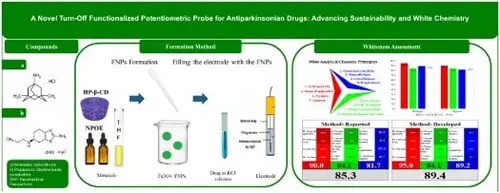
A novel turn-off functionalized potentiometric probe for antiparkinsonian drugs: advancing sustainability and white chemistry
To detect memantine hydrochloride (MEM) and pramipexole dihydrochloride monohydrate (PDM) in pure form, pharmaceutical dosage forms, and spiked human plasma with improved speed and sensitivity, this study presents a novel potentiometric strategy using functionalized magnetic nano-sized iron oxide particles (5 nm) with 2-hydroxypropyl-β-cyclodextrin (2HP-β-CD). These particles were incorporated into the internal solution of the sensor electrode. Performance surpassed previous sensors due to the unique properties of magnetic iron oxide, which enhanced sensitivity and selectivity. Electrochemical evaluation followed IUPAC standards. Linearity was observed for MEM and PDM within 1 × 10⁻⁷–1 × 10-² M & 1 × 10⁻⁸–1 × 10-² M, respectively. Six weeks of replicate calibration graphs confirmed long-term potential stability and repeatability. Accuracy was validated using the standard addition technique. Experimental variables such as plasticizer type, pH influence, temperature fluctuations, foreign substance interference, and nanoparticle concentration were optimized. This method reflects principles of sustainability by combining excellent analytical performance with environmental and economic benefits. The high whiteness score, assessed via the RGB12 tool, confirms its alignment with white chemistry. This work demonstrates that true sustainability requires not only green practices but also comprehensive attention to analytical efficiency, eco-friendliness, and affordability.
Green Analytical Chemistry
Copyrights © 2026 All Rights Reserved - Ebla Private University